garage door services: The Good, the Bad, and the Ugly
How to Repair a Garage Door Off Track: A Complete DIY Guide for 2025
Is your garage door off track and causing headaches? Understanding how to safely repair and realign your garage door can save you time, money, and avoid costly professional visits. This detailed guide covers everything from common causes and necessary tools to step-by-step instructions and essential safety tips tailored for Australian homeowners and renters wanting to tackle the problem themselves.
What Are the Common Causes of a Garage Door Going Off Track?
Garage doors often go off track due to a variety of mechanical issues related to the tracks, rollers, and supporting hardware. One of the most frequent reasons is bent or damaged vertical or horizontal tracks, which can occur from an accidental impact or gradual wear over time. Worn or broken rollers also cause instability because they no longer fit properly within the tracks.
Other contributing factors include loose or damaged brackets and hinges that support the door’s structure, leading to misalignment. Sometimes the heavy door weight strains the counterbalance system, typically involving springs and cables, resulting in uneven tension that pushes the door off track. Misaligned tracks or failure of cables and springs disrupts smooth door movement, making it stick or move unevenly along the garage frame.
Identifying the exact cause—whether it’s track bends, roller issues, or hardware damage—is crucial before attempting any repairs. This ensures you choose the right fix and prevent further deterioration or safety risks.
How Can I Safely Check if My Garage Door Is Off Track?
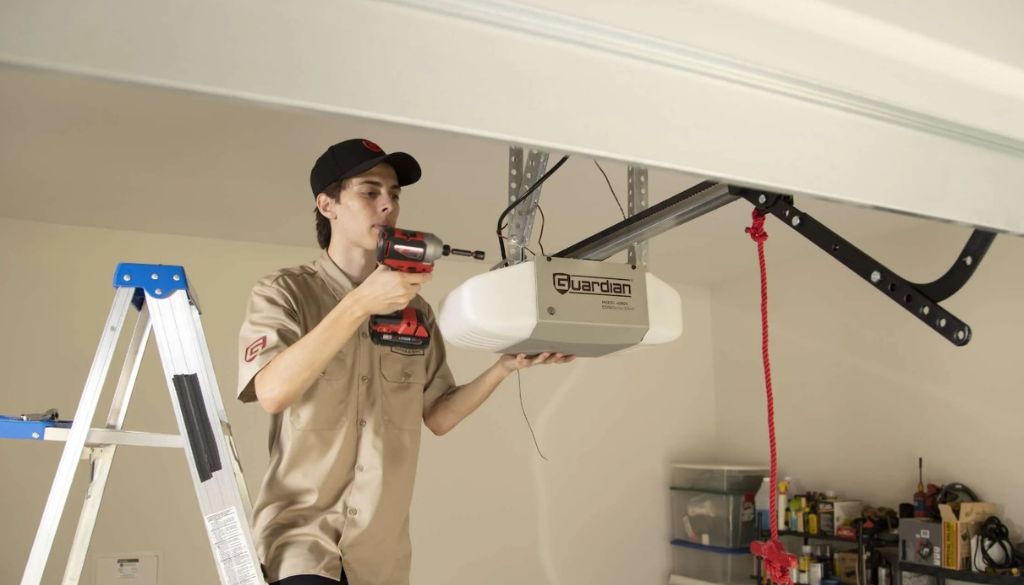
Safety is paramount when inspecting a garage door suspected of going off track. Begin by disconnecting power to the garage door opener using the manual emergency release cord. This prevents accidental activation during inspection and eliminates electrical hazards.
Visually examine the rollers and tracks for any visible gaps, bends, or misalignment. Check if the door moves unevenly or sticks at certain points along the vertical or horizontal track. Pay close attention to the floor guide where the door rests; it should sit securely without wobbling. Also, inspect the hinges, brackets, and garage door panels to ensure structural integrity.
Do not force the door manually if it resists movement — this could worsen damage or cause injury. Additionally, verify that the safety sensors and wiring remain intact and free from obstruction to ensure ongoing safe operation.
What Tools and Materials Are Needed to Repair a Garage Door Off Track?
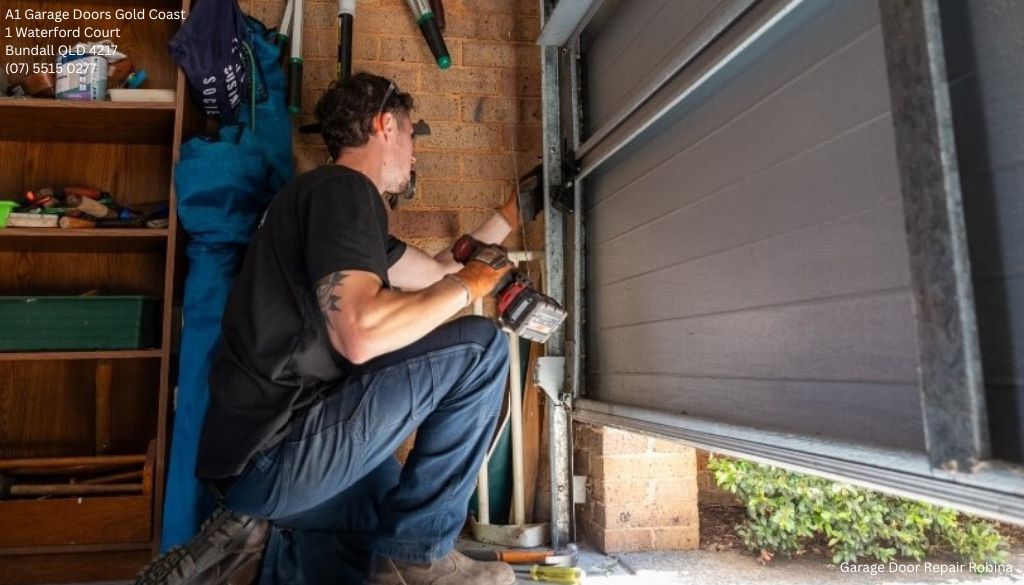
Having the appropriate repair tools and materials ready before starting the job will make the process efficient and safer. Essential tools include a socket wrench set and screwdrivers, needed to loosen and tighten track bolts, brackets, and hinges. Pliers assist with adjusting cables and springs carefully.
You’ll want replacement rollers matching your existing type — whether nylon or steel — to restore smooth movement. High-quality lubricant formulated for garage doors is important to reduce friction on rollers, tracks, and springs. A level is useful for checking accurate track alignment after adjustment, while a hammer or rubber mallet helps gently reshape bent tracks.
Additional safety gear like protective gloves and safety glasses is recommended to protect against sharp edges and flying debris. If any brackets, bottom brackets, or cable components are damaged, having replacements on hand avoids delays.
What Are the Step-by-Step Instructions to Realign and Repair a Garage Door Off Track?
Step 1: Disconnect Power and Secure the Door
Unplug the garage door opener and engage the emergency release to detach the opener arm. This stops any motorised movement and lets you operate the door manually without risk.
Step 2: Inspect and Loosen Tracks
Loosen the bolts holding the vertical and horizontal tracks to the garage frame, but avoid removing them completely. This loosening allows you to adjust the position and realign the tracks smoothly.
Step 3: Realign the Tracks
Using gentle taps with a hammer or mallet, straighten any bent sections of the tracks until they look parallel and flush with the garage walls. Use a level to verify the vertical track sits perfectly plumb and horizontal tracks remain level for smooth door travel.
Step 4: Replace Damaged Rollers and Hardware
Remove old, worn, or broken rollers by sliding them out of the track and replace them with new rollers that fit securely. Also check hinges, brackets, and cables; replace those that are bent, rusted, or frayed to restore full door stability.
Step 5: Tighten Bolts and Test Movement
Retighten all track bolts firmly but leave enough play so the tracks aren’t overly constricted. Manually lift and lower the door several times to confirm it moves freely and stays correctly aligned within the tracks without binding or stiffness.
Step 6: Lubricate Moving Parts
Generously apply lubricating spray or oil to the rollers, hinges, tracks, springs, and cables to minimise friction, reduce noise, and protect parts from premature wear and corrosion.
Step 7: Reconnect Opener and Test Operation
Reattach the opener arm and restore power. Run the garage door through a full open and close cycle to ensure smooth, quiet, and reliable operation with correct alignment and sensor function.
How Do Springs, Cables, and Other Components Affect Garage Door Track Issues?
The springs and cables form the counterbalance system that manages the heavy door’s weight, enabling easy lifting and lowering. Torsion springs mounted above the door or extension springs beside the tracks provide essential tension to offset door weight.
If springs break, lose tension, or the cables become slack or frayed, the door becomes unbalanced. This imbalance places extra strain on rollers and tracks, causing the door to drift off track or jam. The cable drum and winding cone work together with springs to maintain proper tension and smooth motion.
Proper maintenance of these critical components is vital because damaged springs or cables not only lead to track problems but also pose significant safety hazards due to sudden door drops or snapping tension cables.
When Should I Call a Professional to Repair a Garage Door Off Track?
While minor track realignment and roller replacement can be a safe DIY project, certain situations require expert intervention for safety and quality assurance:
- Significant damage to torsion springs, extension springs, or cables
- Electrical or motor issues affecting the opener or safety sensors
- Heavily weighted doors difficult to move manually
- Lack of necessary tools, experience, or confidence to safely handle parts under tension
- Complex component replacements involving winding cones, cable drums, or lock mechanisms
- Desire for professional diagnostics, repair warranty, or compliance with Australian building codes and safety guidelines
Calling a qualified garage door technician ensures repairs follow best practices, reducing injury risk and extending the door's lifespan.
How Can Regular Maintenance Prevent Garage Door Tracking Issues?
Consistent maintenance is the most effective way to keep your garage door running smoothly and prevent it from going off track. Regular lubrication of rollers, tracks, hinges, springs, and cables minimises garage door services wear and noise while maintaining door balance.
Periodically inspect and tighten loose track bolts, brackets, and hinges to preserve structural alignment. Clear debris from tracks and floor guides, ensuring unobstructed roller movement. Testing door balance by manually lifting the door halfway and observing if it holds position helps detect spring or cable problems early.
Replacing worn rollers with premium roller bearings improves noise reduction and durability. Checking weather seals and insulation protects the door’s components from moisture and temperature fluctuations, reducing stiffness and extending functionality.
Routine care not only prevents misalignment but also enhances safety and overall garage door performance.
Frequently Asked Questions (FAQ)
Q1: Can I Repair a Garage Door Off Track Myself Without Professional Help?
A1: Yes, minor misalignments and replacing rollers are usually manageable for homeowners equipped with basic tools and knowledge. However, repairs involving springs, cables, or complex hardware should be left to professionals due to high injury risks and specialised equipment requirements.
Q2: What Are the Safety Risks When Fixing a Garage Door Off Track?
A2: Garage doors are heavy, and their springs are under extreme tension, posing dangers such as serious cuts, crushing injuries, or worse. Always disconnect power, wear appropriate safety gear, and never attempt spring-related repairs without proper training or professional assistance.
Q3: How Much Does It Typically Cost to Fix a Garage Door Off Track?
A3: Simple DIY fixes like realigning tracks and replacing rollers may cost under $100 for parts and tools. Professional repairs involving springs, cables, or motor servicing can range between $150 and $500 depending on complexity and region.
Q4: How Long Does It Take to Fix a Garage Door That Is Off Track?
A4: Basic track adjustments and roller changes can take from 30 minutes up to 2 hours. More intricate repairs – especially those requiring spring replacement or professional tools – may take several hours or necessitate scheduling a technician visit.
Q5: How Can I Prevent My Garage Door from Going Off Track in the Future?
A5: Implement regular maintenance routines including lubrication, tightening loose hardware, cleaning tracks, checking door balance, and inspecting springs and cables. Promptly address any unusual noises or stiffness to avoid worsening issues.
Conclusion
Repairing a garage door off track can be straightforward when you understand the common causes, prioritise safety, and use the correct tools. By following the detailed step-by-step guide, Australian homeowners can restore door alignment efficiently, saving on costly professional fees. Remember, springs and cables are dangerous if handled improperly, so know when to call a professional. Consistent maintenance and timely inspections will safeguard your garage door’s performance, ensuring it operates smoothly and securely for years to come. For peace of mind and best results, act promptly at the first sign of trouble and stay informed about your garage door’s mechanics.